What Is a Reverse Tuck End Box (RTE Boxes Dieline) and How Can It Help You?
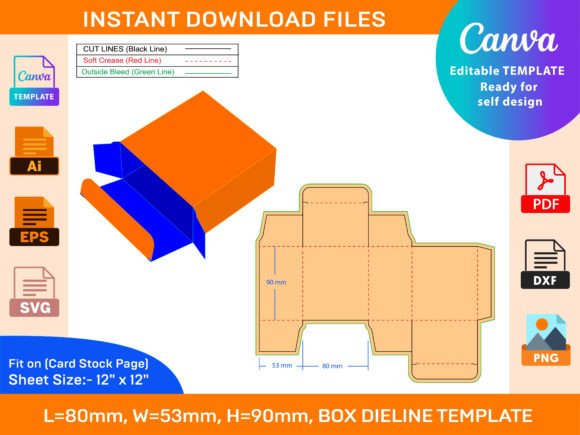
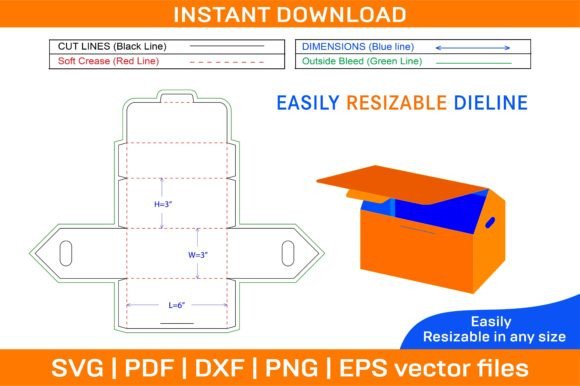
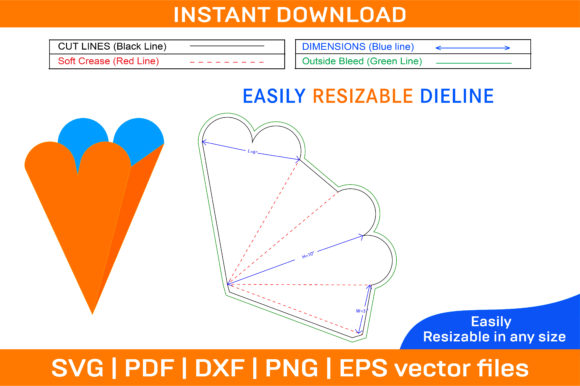
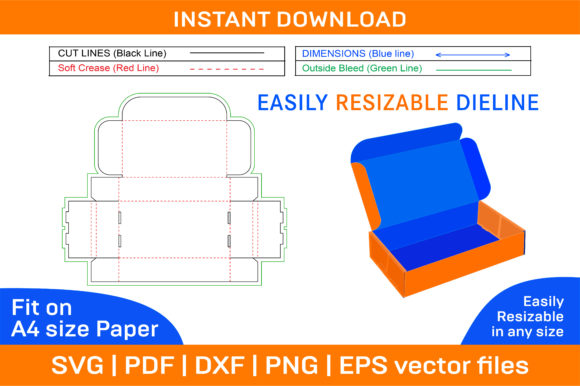
The Reverse Tuck End Box (RTE Boxes Dieline) is a versatile box design used in packaging for products like food items, cosmetics, and small electronics. This type of box features a unique folding mechanism where the ends tuck inward to form a secure closure without the need for glue or tape. The RTE Boxes Dieline provides a blueprint for creating these boxes using printable templates that can be customized to suit your branding, product size, and aesthetic preferences.
Understanding the Structure and Purpose
At its core, an RTE box is a folding carton made from a single sheet of paperboard or cardboard. When folded correctly, it forms a sturdy box with a neat, finished appearance. The reverse tuck end refers to the way the flaps at the ends of the box are designed to fold into each other, ensuring a tight fit. This makes the box ideal for retail packaging, as it offers both durability and an attractive presentation.
Whether you're a small business owner looking to launch a new product line or a hobbyist experimenting with DIY packaging, the RTE Boxes Dieline template gives you everything you need to create professional-looking boxes quickly and affordably. These templates are especially popular among those who want full control over the design process, including colors, graphics, and dimensions.
Common Challenges in Custom Box Design
Creating custom packaging can be challenging, especially when you don’t have prior experience in box-making or access to industrial equipment. Some common issues include:
- Design complexity: Ensuring that all flaps align properly and the box folds correctly without gaps or overlaps.
- Material selection: Choosing the right type of paper or cardboard that balances cost, strength, and aesthetics.
- Printing quality: Getting high-resolution prints that look sharp and professional once assembled.
- Time and effort: Manually designing a box from scratch can be time-consuming and error-prone.
These challenges often lead people to seek out pre-made templates or dielines that simplify the creation process while still allowing for customization. That’s where the RTE Boxes Dieline comes in handy.
How the RTE Boxes Dieline Helps You Create Professional Packaging
The RTE Boxes Dieline is more than just a template—it's a complete solution for designing and printing custom boxes. Here's how it works:
- Download the ZIP archive: Once purchased, you’ll receive a downloadable file containing SVG, PDF, EPS, and AI formats. This ensures compatibility with most design software and printers.
- Select your preferred format: Depending on your workflow, choose between editable vector files (like AI or EPS) or ready-to-print PDFs. The SVG files are also vector-based, making them perfect for digital cutting machines such as Cricut or Silhouette Studio.
- Customize the design: Use the blank template as a base to add your brand logo, product images, text, or any other graphic elements. The color template is also available if you prefer a pre-colored background to work with.
- Print on any paper: All files are optimized for printing on various types of paper, including cardstock, craft paper, and even metallic finishes. The vector-based nature of the files ensures crisp lines and clean edges regardless of the scale you print at.
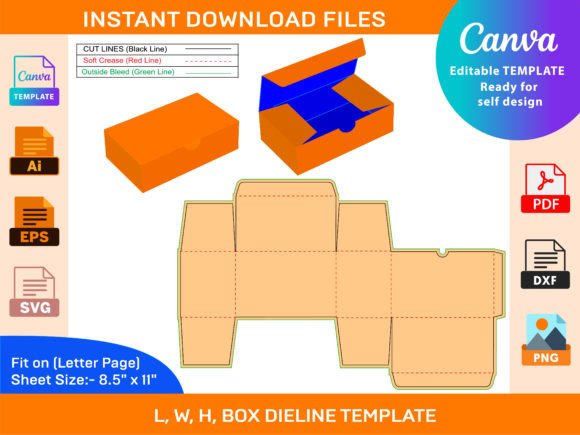
- Assemble the box: With the included 3D render and step-by-step instructions, you can easily fold and tuck the box together to form a finished product.
This approach saves time and money compared to hiring a designer or purchasing custom die-cut boxes from a manufacturer. It also allows for creative freedom, enabling users to match their packaging to their brand identity.
Practical Applications and Real-World Outcomes
The Reverse Tuck End Box has a wide range of applications across different industries:
- Food and beverage packaging: Ideal for snacks, chocolates, tea boxes, or coffee bags due to its secure closure and compact shape.
- Gift and retail packaging: Great for jewelry boxes, candle holders, greeting cards, and other small gift items.
- Craft and stationery projects: Often used in scrapbooking, card-making, and DIY gifts for a polished finish.
- Marketing and promotional materials: Businesses use RTE boxes as branded packaging for giveaways, samples, or event swag.
For example, a boutique selling handmade soaps might use an RTE box with a custom dieline to create elegant, reusable packaging that doubles as a storage container for customers. A startup launching a line of organic teas could use the same template to produce consistent, eye-catching boxes that reflect their eco-friendly values.
Customization Tips and Recommendations
To make the most of your RTE Boxes Dieline, consider the following tips:
- Use high-quality images: Since the template is compatible with 300 dpi resolution, ensure your graphics are high-res to maintain clarity after printing.
- Plan your layout carefully: Leave enough space around the box structure for bleed and trim marks, especially if you’re using the template for mass production.
- Test with sample materials: Before printing large quantities, test the box on different papers to see which one best suits your needs in terms of texture and durability.
- Include clear instructions: If you plan to send these boxes to customers or clients, adding simple assembly guides on the inside can improve user experience.
Additionally, because the template includes a 3D render, you can visualize how your final product will look before committing to a print run. This helps reduce errors and ensures the box meets your expectations in terms of size, shape, and overall design.
Different Approaches Based on User Needs
Depending on your goals, there are multiple ways to use the Reverse Tuck End Box template:
- Business owners: Focus on branding by incorporating logos, taglines, and product information. Use the template to create uniform packaging across all product lines.
- Crafters and hobbyists: Experiment with patterns, textures, and seasonal themes. Print on colored or textured paper to give your creations a personal touch.
- Graphic designers: Modify the dieline to suit specific project requirements. Add intricate artwork, layering effects, or interactive elements for a premium look.
- Educators or students: Use the template as part of a hands-on learning activity about design, packaging, or sustainability. It’s a great tool for teaching practical skills.
No matter your role, the RTE Boxes Dieline adapts to your needs. Its flexibility makes it suitable for both one-time projects and ongoing packaging solutions.
Why Vector-Based Files Matter
One of the standout benefits of the RTE Boxes Dieline is that it uses vector-based files. Unlike raster images (such as JPEG or PNG), vector graphics are composed of points and paths, meaning they can be scaled up or down without losing quality. This is essential for packaging, where accuracy and detail are crucial for a professional finish.
With vector files, you can:
- Edit individual elements of the design without affecting others.
- Adjust measurements precisely for different product sizes.
- Ensure the printed result looks sharp and clean, even at large scales.
Tools like Adobe Illustrator, Photoshop, and AutoCAD support these files, giving you the power to modify the template exactly as you need. For users working with digital cutters like Silhouette Studio or Cricut Design Space, the SVG format is particularly useful for accurate cuts and folds.
Getting Started with Your Own RTE Box Project
Here’s a quick guide to help you begin using the Reverse Tuck End Box template:
- Download the ZIP archive: After purchase, you’ll get instant access to the files. Make sure you save them in an organized folder for easy access.
- Open the template: Choose the file type that matches your design software—AI for Adobe Illustrator, EPS for general editing, or PDF for direct printing.
- Customize the design: Add your artwork, change colors, or adjust dimensions. The blank template allows for total creative control.
- Print the box: Use a home or commercial printer depending on the quantity needed. Ensure your printer settings are set to high resolution for the best results.
- Assemble the box: Follow the folding and tucking instructions provided in the template. Test the first few units to check for alignment and structural integrity.
Once you’ve mastered the basic setup, you can tweak the template for future projects—changing sizes, adjusting flap lengths, or experimenting with new visual styles.
Final Thoughts
The Reverse Tuck End Box (RTE Boxes Dieline) is a powerful yet accessible resource for anyone interested in creating custom, professional-grade packaging. Whether you're a business owner, a creative hobbyist, or a student exploring design, this template empowers you to bring your ideas to life with minimal hassle and maximum creativity.
Its compatibility with major design tools and high-resolution output means you can rely on it for both personal and commercial use. And with instant download access, you won't have to wait long to start crafting. If you run into any issues or need assistance with the template, remember that support is available—just reach out for help.
Investing in an RTE Boxes Dieline isn’t just about saving time; it’s about gaining the ability to innovate and adapt your packaging to meet your unique needs. Start today and discover how easy it can be to turn a flat design into a functional, stylish box.