Isometric City 3D Vector Illustration: A Guide to Choosing and Using the Right Visual Assets
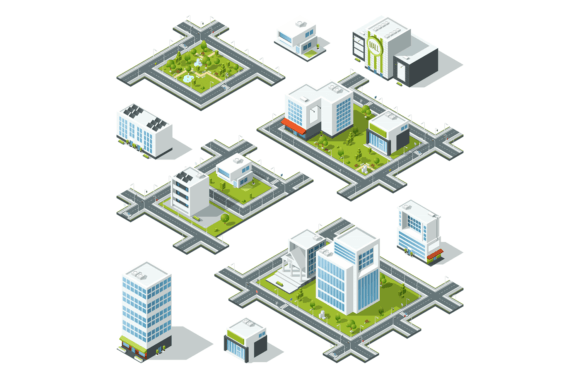
Isometric City 3D Vector Illustration is a popular visual style used in design, marketing, and educational contexts. These illustrations depict urban landscapes with buildings, streets, trees, and other elements arranged in an isometric projection — a form of 3D drawing that maintains equal scale along all three axes for a clean, stylized look. The use of vector-based formats like EPS ensures scalability without loss of quality, making them ideal for both digital and print applications. When you're looking for a model of urban areas with buildings or a city 3d buildings design, these assets offer flexibility and precision.
Why Isometric City 3D Vector Illustrations Matter
Designers and content creators often turn to Isometric City 3d Vector Illustration for its ability to present complex information in a visually appealing and easy-to-understand format. Whether you're creating infographics, presentations, websites, or even mobile app interfaces, these illustrations can help convey ideas about urban development, architecture, or business environments effectively.
For marketers, isometric visuals are especially useful when showcasing products or services related to real estate, city planning, or tech-driven solutions in smart cities. They add a professional touch while maintaining clarity and simplicity. Bloggers and educators also benefit from this format by using it to explain topics such as sustainability, population growth, or infrastructure in engaging ways.
Common Mistakes When Selecting and Using Isometric City 3D Vector Illustrations
While Isometric City 3d Vector Illustration offers many advantages, there are several common pitfalls that users may encounter. One frequent mistake is selecting illustrations based solely on aesthetics without considering their practical application. A beautiful image of office buildings and skyscrapers doesn’t necessarily translate into effective communication if it lacks the right elements for your project’s message.
- Mismatched Style: Some users overlook the importance of matching the illustration's style to their brand or content tone. For example, a playful design might not be suitable for a corporate report, while a hyper-realistic one could complicate simpler layouts.
- Inappropriate Resolution: Downloading low-resolution images (like compressed JPGs) instead of high-quality vector files (EPS) can lead to blurry or pixelated results when scaled up. This affects presentation quality and viewer satisfaction.
- Ignoring Licensing Details: Many people forget to check the licensing terms before downloading or purchasing Isometric City 3d Vector Illustration. Commercial use, redistribution rights, and attribution requirements vary, and overlooking these can result in legal issues down the line.
- Poor Layer Management: If the illustration isn't well-organized in layers, editing individual components like trees, bushes, or office buildings becomes time-consuming and inefficient. This can delay your project timeline and reduce overall productivity.
How These Mistakes Impact Your Work
Choosing the wrong illustration can have ripple effects across your project. A mismatched style might confuse your audience or dilute your message. Similarly, poor resolution can undermine the professionalism of your work, especially in print materials where detail matters. Inefficient layer structures make customization difficult, leading to frustration and wasted time. And without proper licensing, you risk penalties or having to replace assets at the last minute.
Take, for instance, a marketer preparing a brochure for a new commercial real estate development. If they use a generic Isometric City 3d Vector Illustration with office buildings and skyscrapers that don’t reflect the actual architectural style of the property, potential clients may get misled. Or imagine an educator using a poorly layered illustration to teach about urban ecosystems — modifying it to highlight specific features like green spaces or transportation routes could become a nightmare.
Practical Tips to Avoid Common Errors
To ensure your use of Isometric City 3d Vector Illustration is both effective and efficient, start by understanding what your project needs. Ask yourself: What message am I trying to convey? Who is my audience? How will the illustration be used?
1. Prioritize Purpose Over Aesthetics
Don’t fall for the first illustration that looks cool. Instead, evaluate how well it supports your content. If you’re designing a website for eco-friendly urban living, for example, choose an illustration that prominently includes trees and bushes on the street alongside modern office buildings. This helps reinforce your message through visual storytelling.
2. Always Opt for Vector Files Where Possible
When working with scalable graphics, always prefer vector formats like EPS over raster ones like JPG. Vector files allow for precise editing and scaling, ensuring your illustration remains sharp and clear no matter the size. This is particularly important when printing large banners or using the illustration in responsive web designs.
3. Check Licensing Terms Before Use
Before downloading any Isometric City 3d Vector Illustration, review the licensing agreement. Determine whether it permits commercial use, modification, or redistribution. Some platforms offer free downloads but require attribution, which is fine for blogs or social media posts but might not be suitable for confidential presentations or branded materials.
4. Look for Good Layer Organization
If you plan to edit the illustration, look for assets that come with organized layers. This makes it easier to adjust individual components — say, changing the color of a building or adding more greenery. Platforms like Adobe Stock or Shutterstock often list whether the file is editable or layered in the product description.
5. Compare Multiple Sources
Don’t settle for the first illustration you find. Compare options from different sources to see which best fits your needs. Pay attention to details like lighting, texture realism, and the diversity of included elements (e.g., some illustrations may feature only skyscrapers while others include a mix of residential and commercial buildings).
Realistic Examples and Better Approaches
Let’s say you’re a small business owner creating a pitch deck for investors. You want to show the growth potential of your company within an urban setting. Rather than using a generic skyline illustration, consider an isometric city 3d vector illustration with office buildings and skyscrapers that aligns with the location you're targeting. You can then customize the illustration to include your company's logo or key locations, making the presentation more personalized and impactful.
Another example involves a blogger writing about sustainable cities. They might use an Isometric City 3d Vector Illustration with trees and bushes on the street to illustrate eco-friendly urban planning. By choosing a detailed, layered illustration, they can easily modify the layout to emphasize green zones, pedestrian pathways, or renewable energy symbols.
A better approach for freelancers or entrepreneurs is to build a library of high-quality isometric illustrations tailored to their niche. This not only saves time during future projects but also ensures consistency in branding and visual messaging.
What to Check Before Making a Decision
Before finalizing your choice of Isometric City 3d Vector Illustration, take a moment to verify the following:
- Compatibility: Does the file format support your software? EPS works well with Adobe Illustrator, but if you're using Canva or another online tool, you might need SVG or PNG versions too.
- Resolution: For print work, confirm the illustration has a high enough resolution (typically 300 DPI). For digital use, vector formats are usually sufficient unless you need a transparent background.
- Customization Options: Are the layers clearly labeled and editable? This is crucial if you intend to modify the illustration later.
- License Type: Make sure the license matches your intended usage — personal, editorial, or commercial.
- Relevance: Does the illustration accurately represent the concept you're trying to communicate? An overly futuristic or outdated look could mislead your audience.
Conclusion
Isometric City 3d Vector Illustration is a powerful tool when used correctly. It combines the clarity of isometric design with the flexibility of vector graphics to create compelling urban scenes. However, to maximize its value, avoid common mistakes like ignoring licensing, using the wrong file type, or failing to match the illustration to your project’s goals.
By focusing on purpose, quality, and usability, you can ensure your illustrations enhance your message rather than detract from it. Whether you're a designer, marketer, educator, or entrepreneur, taking the time to select and apply these visuals thoughtfully will improve your results and save you time in the long run.