3D Rendered Corn for Design Project: A Versatile Asset for Creative and Educational Use
When it comes to design projects that require a touch of nature, agriculture, or food elements, 3D rendered corn offers a powerful solution. Whether you're working on graphic design, digital illustrations, educational materials, or product visuals, having high-quality 3D renderings of corn can elevate your work in ways that stock photos or basic vector graphics simply cannot. A ZIP folder containing JPG and PNG formats of 3D rendered corn—complete with vegan, vegetarian, and agricultural themes—is the ideal toolkit for professionals who need realistic yet editable assets.
What Is 3D Rendered Corn for Design Project?
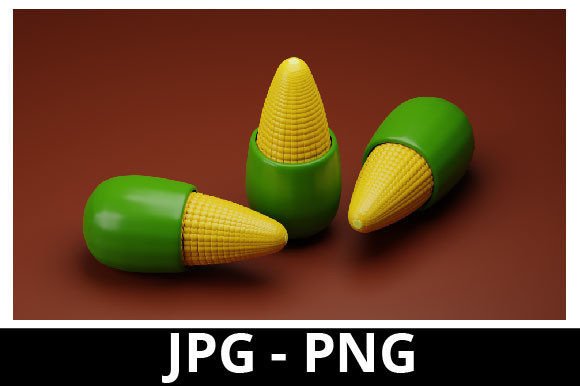
3D rendered corn refers to digitally created images of corn in three dimensions. These renderings are generated using specialized software to simulate real-world lighting, textures, and perspectives. The result is a highly detailed visual asset that looks natural and can be manipulated to fit various design needs. For instance, you might have an isolated sweetcorn stalk, a close-up of yellow kernels, or even a full ear of corn ready for use in your next creative project.
Challenges and Needs in Modern Design
In today's fast-paced design environment, creators often face tight deadlines and the demand for original content. Stock images of corn may lack the specific angles, lighting, or detail required for a unique look. Additionally, many designers need assets that are both visually appealing and thematically relevant—especially when addressing topics like health, diet, sustainability, or plant-based living.
Another challenge is maintaining consistency in visual style across different platforms. Whether designing for print, web, or social media, the ability to scale and adjust color tones without losing quality is crucial. Traditional photography can be limiting due to logistical constraints, such as sourcing fresh produce or achieving consistent lighting conditions.
How 3D Rendered Corn Addresses These Challenges
3D rendered corn provides a scalable, editable, and reliable alternative. With options like corn on the cob, popcorn, corncob silhouettes, and individual kernels, you can easily adapt the visuals to match your design intent. Because these files are included in a ZIP folder with multiple image formats (JPG and PNG), they offer flexibility in transparency and background settings, making them suitable for both minimal and complex layouts.
The realism of 3D renderings allows for seamless integration into mockups, infographics, or educational content about agriculture and healthy eating. They also support creative storytelling by helping visualize concepts related to food culture, organic farming, or dietary benefits—all while staying within the bounds of professional design standards.
Practical Applications Across Industries
Designers working in various fields can benefit from using 3D rendered corn. Here are some common applications:
- Graphic Design: Incorporate corn visuals into posters, packaging, or branding for food-related businesses. The organic and natural feel of corn makes it a great fit for eco-conscious or farm-to-table campaigns.
- Education and Agriculture: Use the renderings in presentations or interactive modules to teach about plant biology, crop cycles, or sustainable farming practices.
- Food Industry Marketing: Highlight the delicious and healthy aspects of corn through eye-catching visuals that represent products like popcorn, cornflakes, or fresh sweetcorn.
- Web and UI/UX Design: Add subtle corn elements to website headers, landing pages, or e-commerce sites promoting plant-based diets or organic foods.
Examples of Effective Use
One practical example is using 3D rendered corn in a campaign promoting vegetarian meals. By placing a vibrant, yellow ear of corn against a green, organic backdrop, you can create a compelling visual narrative around healthy eating. Similarly, a designer creating a wellness blog might use isolated kernels of corn to illustrate a post on fiber-rich foods or gluten-free alternatives.
For agricultural reports or infographics, including a 3D rendering of a cornfield or a single corn plant can help break up dense text and make information more digestible. The versatility of the ZIP folder ensures that you have access to a range of corn visuals, each tailored for specific design contexts.
Considerations When Choosing and Using 3D Rendered Corn Assets
Not all 3D renderings are created equal. When selecting assets for your design project, consider the following:
- Quality and Detail: Look for renderings that capture the texture and sheen of real corn. High-resolution images ensure clarity when printed or displayed online.
- File Formats: Ensure the package includes both JPG and PNG formats. This gives you the freedom to choose between transparent backgrounds and standard photo-ready images.
- Color Options: Some projects may require a more muted tone to reflect natural or organic themes, while others might call for bold, bright colors to emphasize freshness or sweetness.
- Licensing: Always verify that the 3D rendered corn assets are royalty-free or come with appropriate usage rights, especially if your project will be commercial in nature.
Different Approaches for Different Users
Graphic designers, educators, and marketers may approach the use of 3D rendered corn in distinct ways. A designer focused on minimalist aesthetics might prefer clean, isolated images of a single corn kernel or a few ears on a white background. In contrast, someone developing a cultural presentation on corn’s role in global cuisine could benefit from renderings showing corn in traditional dishes or historical farming tools.
Those working in the health and fitness industry might want to highlight the nutritional profile of corn. In this case, pairing a 3D rendering of fresh, edible corn with a short infographic detailing its vitamins and minerals can make the message more engaging. Meanwhile, an app developer could use the same assets to create icons for a plant-based meal planner or a grocery shopping tool.
Implementing 3D Rendered Corn in Your Workflow
Once you’ve downloaded the ZIP folder with 3D rendered corn assets, integrating them into your design workflow becomes straightforward. Start by sorting the images based on their intended use—some may be better suited for large-scale prints, while others work well as small icons or background elements.
Use layer styles in Adobe Photoshop or Illustrator to blend the corn seamlessly into your designs. Adjust brightness, saturation, and shadows to align with your project’s overall mood. For web developers, embedding these images into HTML or CSS templates can enhance the visual appeal of a site focused on natural foods or agricultural innovation.
Remember to maintain a balance between realism and stylization. While the goal is to depict corn in a natural way, don’t hesitate to tweak the visuals slightly to match the artistic direction of your project. After all, the beauty of 3D rendered corn lies in its adaptability.
Why Choose 3D Rendered Corn Over Other Options?
Traditional photography of corn requires access to fresh produce, which can be difficult to manage logistically. Moreover, lighting and styling must be carefully controlled to achieve the desired effect. 3D renderings eliminate these hurdles by providing pre-optimized images that can be used immediately.
Additionally, unlike generic stock photos, 3D rendered corn for design project can be customized to meet exact specifications. You can change the background, add reflections, or even animate the corn if needed. This level of control is invaluable for designers aiming to deliver a unique, branded experience.
Final Thoughts on 3D Rendered Corn for Design Projects
Whether you’re crafting a marketing campaign for a vegan restaurant, designing an educational module on agriculture, or building a website that promotes healthy eating, 3D rendered corn is a valuable addition to your visual arsenal. Its natural appearance, combined with the flexibility of digital assets, makes it an essential resource for modern designers.
By leveraging the included JPG and PNG files from the ZIP folder, you can streamline your design process and focus on delivering impactful results. From isolated kernels to full cobs, every element is designed to help you tell a story—about food, health, culture, or nature—with authenticity and creativity.
As trends continue to shift toward sustainability, plant-based lifestyles, and organic living, having access to 3D rendered corn assets ensures your designs remain relevant, informative, and visually compelling. Explore the possibilities and see how this versatile object can bring your next project to life.