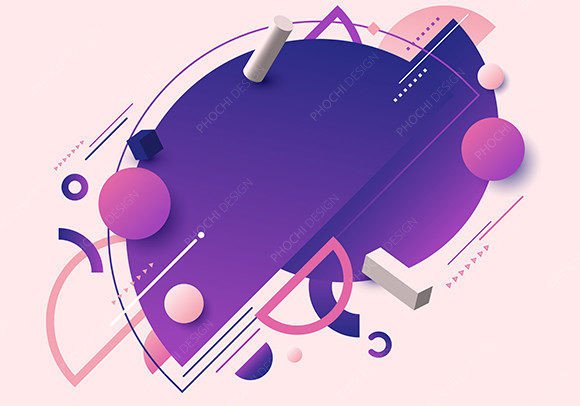
Abstract 3D Geometric Elements Pattern: A Design Tool for Modern Creativity
In today’s fast-paced digital world, visual content plays a pivotal role in capturing attention and conveying messages effectively. Whether you're designing a website, preparing a presentation, or crafting marketing materials, the right background can make all the difference. Enter the Abstract 3D Geometric Elements Pattern—a versatile vector illustration that brings depth, structure, and retro flair to your creative projects. This design element is more than just an aesthetic choice; it's a strategic tool that supports clarity, creativity, and professional outcomes.
Understanding the Abstract 3D Geometric Elements Pattern
The Abstract 3D Geometric Elements Pattern is a flat design concept that uses layered geometric shapes to simulate depth and dimension. These patterns are often minimalist in nature but rich in visual impact, making them ideal for both modern and nostalgic aesthetics. The retro style adds a vintage touch without compromising on the clean lines and structured feel of geometric design. As a vector illustration, this pattern offers scalability without loss of quality, ensuring it looks sharp whether printed on a business card or stretched across a billboard.
Designed with high-resolution output in mind (300dpi), these illustrations provide crisp visuals suitable for print and digital media alike. Being fully vector-based means every shape, line, and color is editable, giving designers complete control over customization. The well-organized file structure ensures ease of navigation, allowing users to modify individual elements without disrupting the overall design integrity.
Practical Benefits for Creative Professionals
One of the most significant advantages of using the Abstract 3D Geometric Elements Pattern lies in its adaptability. Unlike generic stock images, this pattern can be tailored to fit specific branding needs. For instance, marketers might adjust the colors to align with their company's palette while educators could use it to create visually engaging infographics or learning modules.
Graphic designers working under tight deadlines appreciate the efficiency this pattern brings. Instead of starting from scratch, they can quickly apply and customize the design to suit a project's theme. Bloggers and publishers benefit by using it as a background for headers or featured images, enhancing visual appeal without overshadowing the main content.
Use Case: Enhancing Brand Identity
Consider a small business owner launching a new product line. They need a consistent visual identity across packaging, social media, and promotional materials. By integrating the Abstract 3D Geometric Elements Pattern into their designs, they establish a cohesive look that feels contemporary yet timeless. The retro style adds a layer of nostalgia, which can resonate well with audiences seeking authenticity in branding.
This pattern also helps avoid cluttered designs. Its flat and structured approach allows text and other key elements to stand out clearly. When used as a background, it provides enough visual interest to engage viewers while maintaining readability and professionalism.
Who Can Benefit Most?
Professionals across various industries find value in this type of design. Here’s how different roles can leverage it:
- Entrepreneurs: Use it in pitch decks or startup presentations to add sophistication and visual consistency.
- Freelancers: Incorporate it into client proposals or portfolio layouts to elevate the perceived quality of their work.
- Bloggers & Content Creators: Apply it to blog headers or landing pages to improve user experience and engagement.
- Marketers: Employ it in email templates or ad banners to reinforce brand messaging with a modern twist.
Its versatility extends beyond digital platforms. Print designers can use the EPS format for high-quality outputs like brochures, posters, and stationery. The JPG version, meanwhile, is perfect for quick digital applications such as website mockups or social media thumbnails.
Why Retro Style Meets Modern Needs
The retro-inspired geometry of this pattern taps into current design trends that blend past and present aesthetics. In UI/UX design, for example, retro-futuristic elements are increasingly popular, especially when aiming for a playful yet professional tone. The Abstract background flat design 3D geometric elements pattern fits seamlessly into this space, offering a fresh take on classic forms.
For those creating educational materials, the structured layout of geometric shapes can help organize information visually. Teachers and instructional designers might layer these patterns behind charts or diagrams to guide the viewer’s eye and enhance comprehension. The lack of watermark and copy space makes it easy to integrate into existing layouts without legal or formatting concerns.
Efficiency and Flexibility in Design Workflows
Designers often face the challenge of balancing creativity with practicality. The Abstract 3D Geometric Elements Pattern addresses this by providing a ready-to-use asset that still allows for personalization. Editable shapes mean you can resize, recolor, or reposition components as needed, reducing time spent on repetitive tasks and increasing productivity.
For agencies managing multiple clients, having access to a pattern that can be easily adapted to each brand’s unique identity is invaluable. It streamlines the design process and ensures consistency across deliverables. The retro style also offers a nostalgic edge that can differentiate a brand from competitors who rely on more conventional modern designs.
Realistic Applications Across Industries
Let’s explore some real-world examples where this pattern shines:
- Corporate Presentations: Replace standard slide backgrounds with this pattern to give talks a polished, innovative look that reflects forward-thinking leadership.
- E-commerce Websites: Use it in product display sections to create a dynamic yet unobtrusive backdrop that highlights items without distracting from them.
- Mobile App Interfaces: Implement the pattern subtly in app menus or splash screens to build a memorable visual language without overwhelming the user.
- Print Publications: Add a modern-retro texture to magazine spreads or annual reports to give traditional formats a contemporary refresh.
These scenarios highlight how the Abstract 3D Geometric Elements Pattern isn’t just a decorative asset—it's a functional one that enhances usability and user experience when applied thoughtfully.
When to Consider Alternatives
While the Abstract 3D Geometric Elements Pattern is incredibly useful, it’s not always the best fit. If your project requires a completely organic or photo-realistic look, this pattern may not align with your vision. Similarly, if you’re targeting a very conservative or formal audience, the boldness of geometric design might feel too edgy.
It's also worth noting that although the pattern is highly customizable, achieving the perfect balance between background and foreground elements requires some design skill. Beginners may want to experiment with simpler versions before diving into complex compositions. Comparing options from different sources can help ensure the selected design complements the intended message and purpose.
Conclusion
The Abstract 3D Geometric Elements Pattern is a powerful resource for anyone looking to enhance their visual communication. With its retro style, flat design simplicity, and full vector editability, it offers a compelling mix of form and function. From entrepreneurs building their first brand assets to seasoned designers optimizing workflows, this pattern delivers meaningful results that support creativity and clarity.
Whether you're downloading the EPS and JPG files for immediate use or planning to tweak the design for a custom application, remember that the best outcome comes from thoughtful integration. Let the pattern serve as a foundation, not a limitation, and watch how it transforms your next project into something truly distinctive.