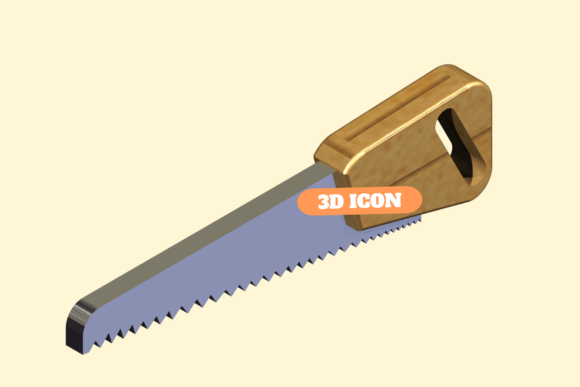
3D Saw Illustration: Bold, Modern, and Versatile Design Asset
The 3D Saw Illustration is a dynamic and visually striking design element that brings depth and realism to any creative project. Available in PNG file format, this illustration captures the essence of tools like saws, trowels, shovels, rakes, and more—rendered in high-quality isometric style with clean lines, vivid textures, and a naturalistic feel. Whether you're designing for agriculture, gardening, construction, or DIY workspaces, the 3D Saw Illustration offers a compelling visual language that resonates with both professionals and hobbyists.
Visual Characteristics and Style Appeal
At its core, the 3D Saw Illustration combines modern typography with detailed graphic elements. The isometric perspective gives it a realistic yet stylized look, making it ideal for infographics, icons, logos, and editorial content. Each tool—like the hand saw, secateurs, pruner, or wheelbarrow—is rendered with precision, often featuring metallic textures (steel, iron), wooden finishes, or even cartoonish stylings depending on the variant available.
This illustration stands out due to its clean silhouette, which allows it to be used effectively as an isolated graphic. Its boldness and clarity make it suitable for backgrounds, headers, and focal points without overwhelming the rest of the design. The white space surrounding the objects enhances legibility and makes it easy to integrate into various color schemes.
For those who appreciate design assets with a professional edge, the 3D Saw Illustration delivers. It's crafted with attention to detail, ensuring that each tool looks functional and authentic. This quality helps reinforce themes of hard work, craftsmanship, and practicality—perfect for branding around farming, landscaping, or woodworking businesses.
Real-World Applications and Best Uses
The 3D Saw Illustration works best in projects where tool imagery adds value and context. Here are some common use cases:
- Logo Design: A single tool illustration can serve as a powerful symbol in a logo, especially for brands in agriculture, horticulture, or construction. Think of a spade or fork representing a farm-to-table restaurant or a garden supply shop.
- Editorial Design: Use these illustrations in magazines, blogs, or newsletters focused on DIY, home improvement, or outdoor activities. They add visual interest and break up dense text areas effectively.
- Packaging Design: Incorporate them into packaging for gardening tools, woodwork kits, or eco-friendly products. The 3D effect and texture help create a tactile impression that appeals to buyers.
- Web and Social Media Graphics: These illustrations are great for landing pages, banners, or Instagram stories promoting workshops, product launches, or seasonal events like spring gardening sales.
- Print Materials: Brochures, flyers, and posters benefit from their eye-catching nature. For example, a local hardware store might use a group of tools like a shovel, rake, and pot to promote their annual sale.
How It Impacts Brand Perception and Readability
Choosing the right design elements is crucial for shaping brand perception. The 3D Saw Illustration conveys a sense of reliability, expertise, and hands-on professionalism. When placed thoughtfully, it can elevate the visual hierarchy of your layout by drawing attention to key messages or product categories.
In terms of readability, these illustrations don’t interfere with text but instead support it. Their isolated format ensures they can be layered or positioned without cluttering the composition. This makes them especially useful when paired with minimalistic typefaces such as sans serif fonts or premium display fonts that prioritize clarity and elegance.
Moreover, the consistent style across the collection—whether you're using a fork, trowel, or handsaw—ensures brand identity cohesion. If you're creating a series of promotional materials, having a unified visual tone helps build recognition and trust among your audience.
Design Recommendations and Observations
Here are some tips for working with the 3D Saw Illustration effectively:
- Use Sparingly for Impact: Because these illustrations are so detailed and dimensional, it’s best to use one or two per page or screen. Overuse can lead to visual fatigue and reduce effectiveness.
- Pair with Complementary Fonts: To maintain balance, consider pairing the illustration with a modern sans serif font or a classic serif typeface. The contrast between the mechanical tools and elegant letterforms can enhance the overall aesthetic.
- Test Color Variants: While many versions are provided in white or natural tones, experimenting with different colors can help match your brand palette. Just ensure the illustration remains legible against the background.
- Consider Scale and Proportion: These illustrations vary in size and complexity. A large-format version of a wheelbarrow may work well as a background element, while smaller icons (like scissors or a spade) are better suited for buttons or call-to-action sections.
A particularly effective use case we've seen is in spring-themed marketing campaigns. Brands that sell garden equipment or outdoor accessories often feature the 3D Saw Illustration alongside fresh green hues and floral patterns to evoke renewal and growth.
Choosing the Right Style for Your Project
When selecting a 3D Saw Illustration, consider the tone you want to set. The cartoon style works well for playful or family-oriented content, while the realistic variant suits more serious applications like corporate reports or product manuals.
If you’re building a set of icons for a mobile app or website, the isometric view provides a uniform and scalable solution. You’ll find that tools like a hoe, boot, or pot can be grouped cohesively to form a toolkit icon set, enhancing navigation and user experience.
Also, pay attention to the texture details—some illustrations include subtle grain effects or metallic sheen, which can add dimensionality and authenticity. These small touches can significantly impact how users perceive your content, especially in sectors where craftsmanship and quality matter most.
Evaluating Commercial Licensing and Project Fit
Before incorporating the 3D Saw Illustration into your commercial work, always verify the licensing agreement. Many designers and studios offer this as part of a commercial font or design package, allowing usage in print and digital media. However, restrictions may apply regarding redistribution or resale, so it's essential to understand what's permitted.
To evaluate if it fits your project, ask yourself a few questions:
- Does the illustration align with my brand's personality?
- Will it complement the existing design assets or clash with them?
- Is it appropriate for the platform and medium I’m using?
For instance, a luxury woodworking brand might prefer the steel finish of a handsaw over the cartoon version. Meanwhile, a children’s educational app about gardening could thrive with the colorful and whimsical styles.
Creating a Consistent Tool Collection
One of the biggest strengths of the 3D Saw Illustration is its versatility within a larger set. You can mix and match tools like a fork, pitchfork, spade, and rake to build a cohesive tool collection for your designs. This is especially useful in:
- Infographics highlighting different stages of a project
- Product listings where multiple tools are sold together
- Branded merchandise like T-shirts, mugs, or signage
Having a complete set of tools in a similar visual style helps maintain visual consistency across all touchpoints. It also reinforces your message—whether it's about sustainability, innovation, or tradition—in a way that feels intentional and polished.
Final Thoughts on Integration and Creativity
The 3D Saw Illustration isn't just another decorative asset—it's a strategic design choice that communicates purpose and professionalism. When used correctly, it can transform a simple layout into a compelling visual narrative.
As a designer or marketer, your goal is to connect with your audience through visuals that resonate. Whether you're illustrating a step-by-step guide to planting a garden or showcasing the latest in agricultural equipment, these illustrations can bridge the gap between function and form.
Remember to test different combinations and observe how they interact with your chosen typeface, color scheme, and layout structure. The best results come from thoughtful application rather than random placement. So take time to explore the possibilities and let the 3D Saw Illustration bring your next project to life.