Two Piece Rigid Box or Two Lid Box: A Smart Choice for Premium Product Packaging
When it comes to product packaging, the Two Piece Rigid Box or Two Lid Box stands out as a top-tier option for brands aiming to elevate their presentation. These boxes are often used for high-end products like cosmetics, jewelry, electronics, and luxury items due to their durability, aesthetic appeal, and functionality. The design consists of two separate pieces — a bottom base and a top lid — which can be customized extensively using tools like Adobe Illustrator. If you're considering this type of packaging for your project, understanding its features and potential pitfalls is essential to ensure success.
What Exactly Is a Two Piece Rigid Box or Two Lid Box?
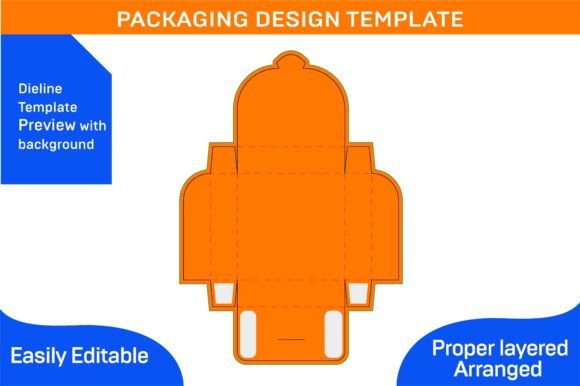
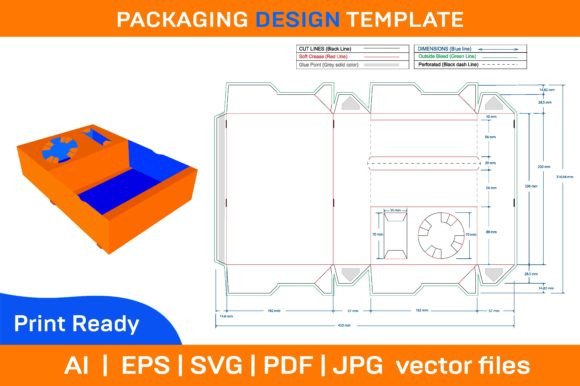
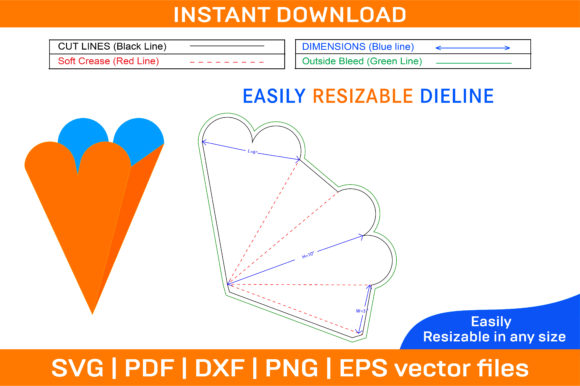
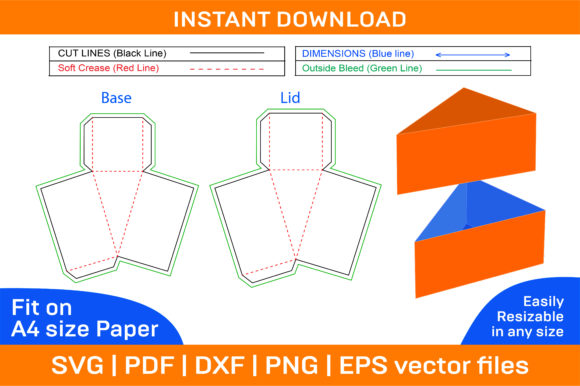
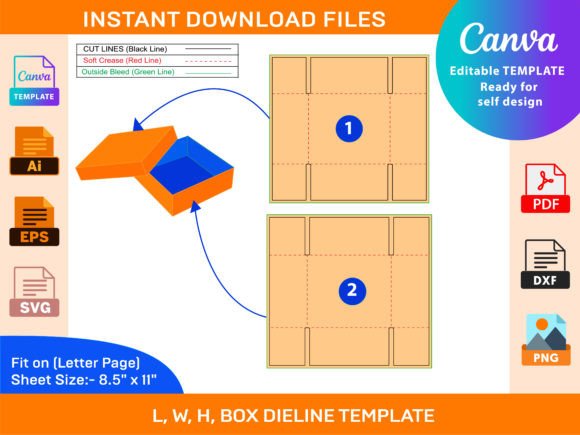
A Two Piece Rigid Box, also known as a Two Lid Box, is a box made from thick, solid cardboard (typically 3–7 mm thick) with no folding flaps. It's composed of two parts: the base (bottom lid) and the top lid. Unlike regular folded cartons, these boxes offer a more robust and luxurious appearance. They’re ideal for gifting, retail displays, and branding that requires a premium feel. With a box with top lid and bottom lid dieline template, designers can create accurate 3D representations before production begins, streamlining the process and minimizing errors.
Why Choose This Type of Packaging?
There are several reasons why professionals and entrepreneurs might prefer a Two Piece Rigid Box:
- Premium look and feel: The rigid structure gives a sense of quality and sophistication.
- Customizability: You can adjust dimensions, color themes, logos, and text information easily.
- Easy to assemble: No complex folding required — just snap the lid on the base.
- Brand visibility: With both lids available for printing, there’s double the space for branding and messaging.
- Print-ready files: Many templates include AI, PDF, EPS, and JPG formats for instant use in production or digital rendering.
Common Mistakes When Using Two Piece Rigid Box Templates
While these boxes offer numerous benefits, some users make avoidable mistakes when working with them, especially if they’re new to packaging design. Here are a few key issues to watch out for:
1. Ignoring Proper Dimensions
One of the most common missteps is not accounting for the exact measurements needed. Even slight inaccuracies in the dieline template can result in a box that doesn't close properly or looks unprofessional. Always double-check the size of your product and add appropriate padding or internal dividers if necessary.
Better approach: Use a fully editable Adobe Illustrator file to adjust dimensions precisely. Ensure all layers are correctly aligned and that bleed areas are accounted for during export.
2. Overlooking Layer Organization in Design Files
Design software like Adobe Illustrator allows for detailed layer management, but many users fail to utilize this feature effectively. Disorganized layers can lead to confusion during editing, making it difficult to update specific elements such as logo placement or text fields.
Better approach: Work with a well-structured AI or EPS file where each component — text, artwork, background, and labels — is clearly separated into individual layers. This makes customization seamless and ensures clarity for future edits.
3. Forgetting to Include a Sample Box or Label Design
Some templates don’t come with a sample design, leaving users to start from scratch. This can be frustrating, especially if you're not confident in your design skills. Without a visual reference, it's easy to miss important details like font hierarchy or layout balance.
Better approach: Opt for a package that includes a sample box or label design. This gives you a clear idea of how to arrange your content and helps maintain a professional look without needing advanced graphic design experience.
4. Not Checking File Formats Before Purchase
Not all downloadable packaging files are created equal. Some may only include basic formats that aren’t suitable for commercial printing. It's crucial to confirm whether the files you receive support high-quality output across different media types.
Better approach: Ensure the package includes print-ready files in multiple formats like AI, PDF, EPS, and JPG. Vector-based files are particularly important because they scale without losing quality, regardless of the paper stock you choose.
5. Rushing the Download Process
After purchasing a Two Piece Rigid Box or Two Lid Box template, some users expect immediate results. However, rushing through the download or not verifying the contents can lead to missing files or incorrect versions.
Better approach: Take a moment to review what you're downloading. Look for a "well-organized" folder containing all promised assets — including editable source files and final outputs — so you know everything is in place before moving forward.
How These Mistakes Impact Your Project
Making any of the above errors could lead to wasted time, money, and effort. An ill-fitting box may damage your product or reduce customer satisfaction. Poorly organized design files can slow down your workflow and increase the risk of costly revisions. Skipping format checks might result in low-quality prints or incompatible designs, especially when preparing for mass production.
For example, if you're an entrepreneur launching a new skincare line and you use a poorly dimensioned box, it could cause the lid to sit unevenly or leave your product exposed during shipping. Or, if you neglect to separate text and artwork layers in your design, updating your branding later becomes a tedious and error-prone task.
Practical Tips for Choosing and Using Two Piece Rigid Boxes
To help you avoid these issues, here are a few best practices for selecting and utilizing a Two Lid Box design:
- Verify the dimensions: Measure your product carefully and match it with the correct box size. Some templates allow resizing, but it's still best to work with pre-verified measurements to prevent manufacturing problems.
- Test your design in 3D: A good template should include a 3D mockup or at least a realistic preview. This lets you visualize how the final product will look and catch alignment issues early.
- Use vector-based files: These ensure scalability and crisp printing. Avoid rasterized images unless absolutely necessary, and always confirm that the AI/EPS files are clean and optimized.
- Plan for brand consistency: Make sure the design aligns with your overall branding strategy. Consistent color themes, fonts, and logos across all marketing materials enhance recognition and trust.
- Consider the end user: Think about how customers will interact with the box. Will the lid open smoothly? Is the design intuitive and visually appealing? These factors contribute to the overall user experience.
What to Check Before Finalizing Your Template
Before committing to a particular Two Piece Rigid Box template, ask yourself the following questions:
- Are the dimensions accurate and customizable to fit my product?
- Do the files include both editable and print-ready options in standard formats like AI, PDF, EPS, and JPG?
- Is the design flexible enough to allow changes to text, logos, and color schemes?
- Does the package provide a sample layout or 3D box design to guide me?
- Can I easily add my own artwork or modify existing elements without breaking the layout?
By answering these questions, you’ll set yourself up for a smoother design and production process. Remember, the goal is to create a box that not only protects your product but also enhances its value and appeal.
Final Thoughts on Two Piece Rigid Box or Two Lid Box Design
The Two Piece Rigid Box or Two Lid Box is a versatile and elegant solution for product packaging. Whether you're a small business owner or a seasoned marketer, choosing the right template can save you time and resources while improving the overall presentation of your brand. With the right tools and attention to detail, you can create a packaging design that stands out on the shelf and resonates with your audience.
If you find yourself struggling with the files or unsure how to proceed, don’t hesitate to reach out. Most creators are happy to assist with clarifications or modifications. After all, the best packaging solutions are built on collaboration and precision.