Technology Style Backgrounds and Their Role in Shaping Modern Design Landscapes
In an era where digital experiences are increasingly visual, the aesthetics of design elements like backgrounds have taken on new significance. One emerging trend that has captured attention across industries is the technology style background. These are not just decorative layers behind content but strategic components that reflect the evolving relationship between users and technology. With themes such as abstract 3D grids, connected lines, and wireframe illustrations, technology style backgrounds are becoming a staple in modern web and app design.
What Is a Technology Style Background?
A technology style background refers to a visual design element used in digital interfaces that incorporates motifs and styles commonly associated with technological innovation. These can include:
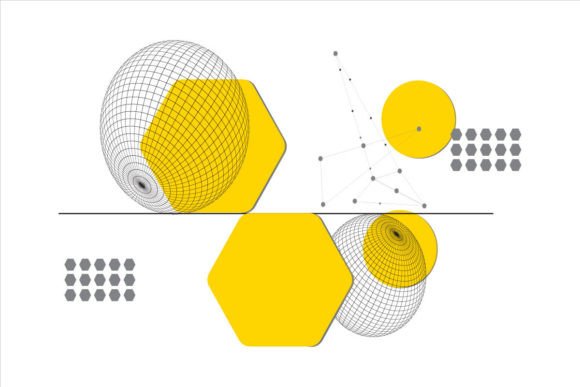
- Wireframe illustrations that mimic the structure of digital systems or hardware components.
- Abstract 3D grid designs that evoke a sense of depth, data flow, and spatial complexity.
- Connected lines representing networks, connections, or information architecture.
- Minimalist geometric patterns that align with clean, modern UI/UX principles.
These backgrounds often use gradients, neon accents, and subtle animations to create a futuristic atmosphere. They are designed to enhance user experience by reinforcing the tech-forward identity of a product or brand without overwhelming the interface.
The Rise of Tech-Inspired Aesthetics
As digital platforms become more immersive, the need for cohesive and meaningful visual language grows. The rise of technology style backgrounds is part of a broader shift toward using design to communicate function and innovation. In creative fields, designers are moving beyond flat UI to embrace dynamic, interactive, and symbolic visuals that resonate with both form and function.
This evolution is closely tied to trends in augmented reality (AR), virtual reality (VR), and artificial intelligence (AI). As these technologies permeate daily life, their visual representations begin to influence how we perceive and interact with digital spaces. A technology style background, for instance, might be used in a mobile banking app to convey trust through structured data visuals, or in a startup's landing page to signal agility and forward-thinking.
How It Fits Into Industry Trends
Across various sectors, the adoption of technology style backgrounds reflects a growing emphasis on clarity, connectivity, and innovation. In the business world, startups and SaaS companies frequently employ these backgrounds to align their branding with cutting-edge capabilities. In marketing, they help create environments that feel intuitive and responsive—qualities that today’s consumers expect from digital products.
For example, consider a project management tool aimed at remote teams. By incorporating a background with interconnected nodes and flowing lines, the platform subtly communicates the idea of collaboration and seamless communication. This isn't just about looking modern—it's about designing with intention to support the user's mental model of the service.
Why People Are Paying Attention to Technology Style Backgrounds
There are several reasons why professionals and creatives are turning to technology style backgrounds:
- Visual Consistency Across Platforms: As brands expand into multiple digital channels—from websites to mobile apps—maintaining a consistent look becomes essential. Technology-inspired visuals offer a scalable and adaptable foundation.
- Enhanced User Engagement: Abstract and dynamic backgrounds can make interfaces feel more alive and less static, encouraging deeper interaction and longer dwell times.
- Symbolism and Brand Identity: A well-designed tech background can serve as a metaphor for the underlying technology, helping users understand what the product does before even reading the copy.
- Adaptation to New Technologies: As AR and VR continue to evolve, so do the design standards. Tech-style backgrounds prepare interfaces for these future states by introducing visual elements that translate well into three-dimensional environments.
Moreover, as our devices become smarter and our interactions with them more complex, there's a psychological pull toward visuals that mirror that sophistication. A technology style background doesn’t just look good—it makes the user feel like they're part of something intelligent and innovative.
Changing Needs and Expectations in the Digital Landscape
Designers and developers are responding to shifting user expectations. Today’s audience demands more than functionality—they want an experience. This change is particularly evident among freelancers, entrepreneurs, and marketers who rely on digital tools to stand out in crowded markets.
Users now expect interfaces to be:
- Responsive: Adapting seamlessly to different screen sizes and orientations.
- Interactive: Incorporating subtle animations or transitions to guide attention and actions.
- Meaningful: Featuring design choices that tell a story or reinforce a message.
Technology style backgrounds meet these needs by offering a balance between aesthetic appeal and functional symbolism. For instance, a software development company might use a background composed of layered hexagons and glowing circuits to visually represent the modular and interconnected nature of code and systems.
Practical Examples of Technology Style Backgrounds in Action
Real-world applications provide insight into how technology style backgrounds are being utilized effectively:
- Dashboard Interfaces: Financial and analytics platforms often feature 3D grid-based backgrounds to symbolize data structures and real-time monitoring.
- Startup Landing Pages: Many tech startups leverage abstract line art and circuit-like visuals to position themselves as agile and innovative.
- Mobile App Onboarding: Wireframe-style backgrounds during the first launch of an app can help orient users by mirroring the layout of the application itself.
- Corporate Presentations: When pitching to investors or stakeholders, slides with technology style backgrounds can create a professional yet imaginative backdrop for discussing digital transformation strategies.
One notable case is a cloud storage provider that redesigned its dashboard with a layered, translucent grid system. The result was a cleaner, more intuitive interface that helped users visualize file structures and access paths. The design wasn’t just visually appealing—it enhanced usability by reducing cognitive load and improving navigation efficiency.
Connecting to Larger Developments in Technology and Design
The popularity of technology style backgrounds is also influenced by larger movements in design and technology:
- Neumorphism and Glassmorphism: These design trends blend soft shadows and transparent overlays with geometric shapes, creating a tactile and futuristic feel that complements tech-style visuals.
- Generative Art and AI-Driven Design: Tools powered by machine learning can now generate unique, tech-inspired backgrounds tailored to specific themes or brand identities.
- Immersive Experiences: As metaverse and extended reality (XR) projects gain traction, the demand for backgrounds that feel “digital-native” continues to rise.
Furthermore, the increasing use of dark mode across operating systems and applications has led to a surge in high-contrast, glowing-line backgrounds. These designs work exceptionally well in low-light settings while maintaining a sleek, modern appearance.
Relevance for Professionals and Creators
Professionals in tech, design, and marketing must stay ahead of visual trends to maintain competitive relevance. Technology style backgrounds allow them to craft interfaces that are not only functional but also reflective of the latest industry innovations.
Freelancers and small businesses can benefit from this trend too. Affordable design tools and templates now let non-experts experiment with tech-style visuals, enabling them to build a polished online presence without requiring advanced graphic design skills. Whether it's a portfolio site, social media banner, or client-facing presentation, these backgrounds add a layer of professionalism and creativity.
Looking Ahead: The Future of Technology Style Backgrounds
As digital experiences become more integrated into everyday life, the role of background design will likely expand. We may see more integration of motion and interactivity, where the background responds to user input or changes dynamically based on context.
Additionally, as sustainability becomes a key concern in tech, minimalist and performance-optimized technology style backgrounds will gain favor. Designers will focus on creating visuals that are not only beautiful but also resource-efficient, ensuring fast load times and minimal impact on device performance.
Another potential direction is the personalization of backgrounds based on user behavior or preferences. Imagine a productivity app that subtly adjusts its background depending on your workflow intensity—switching from a calm, gradient-filled space during focused tasks to a more vibrant, networked pattern when you’re brainstorming or collaborating.
Final Thoughts
The technology style background is more than a passing fad; it represents a convergence of form and function in digital design. By embracing abstract 3D grids, wireframes, and connected lines, professionals can craft experiences that are both visually compelling and semantically rich. As industries continue to evolve, those who incorporate these design trends thoughtfully will find themselves better positioned to engage audiences and communicate value in the digital age.
Whether you're building the next big app, launching a website, or refining your brand's visual identity, considering the role of a technology style background could be the key to unlocking a more immersive and impactful digital experience.