Natural Realistic Bubble Vector Design: A Modern Approach to Capturing the Essence of Simplicity and Elegance
Design is all about storytelling through visuals, and one of the most captivating elements in this narrative is the natural realistic bubble vector design. These elegant shapes—spheres filled with light, color, and subtle reflections—have become a staple in modern illustration, especially when it comes to representing themes like water, soap, cleanliness, and nature. Whether you're an entrepreneur crafting branding for a skincare line or a creative professional designing a website that evokes serenity, understanding how to harness the power of bubble vector art can elevate your work significantly.
The Allure of Bubbles in Visual Storytelling
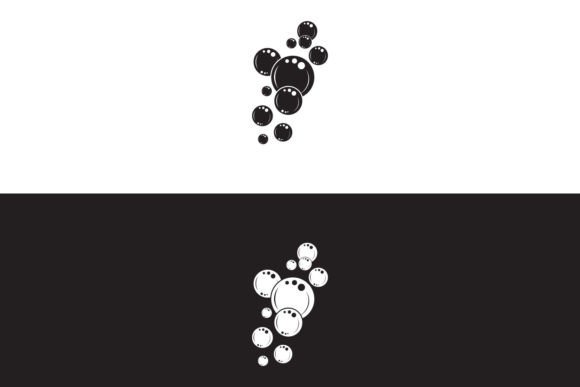
Bubbles are more than just whimsical shapes; they are symbols of purity, freshness, and simplicity. In the context of natural realistic bubble vector design, these visual motifs are meticulously crafted to appear lifelike yet scalable for digital use. Their round, transparent form mimics the way real bubbles catch and reflect light, making them ideal for illustrating concepts such as shampoo, bath products, and even abstract ideas like tranquility and renewal.
With trends shifting toward minimalism and organic aesthetics, bubble illustrations have found their place in a wide range of industries—from beauty and wellness to technology and education. The ability to depict something so simple yet so visually rich makes them particularly effective for conveying clean, eco-friendly, or luxurious messages without overcomplicating the design.
Why Natural Realistic Bubble Vector Design Matters Today
In today’s fast-paced digital world, users are bombarded with content. To stand out, designers must create visuals that are not only eye-catching but also emotionally resonant. Naturalistic bubbles offer a perfect balance between realism and abstraction, allowing them to blend into various environments while maintaining a sense of authenticity.
- Minimalist Appeal: Clean lines and soft gradients make these designs suitable for modern interfaces and branding materials.
- Scalability: Being vector-based ensures they remain sharp at any size, from mobile screens to large banners.
- Versatility: They can be used as isolated elements or part of a larger composition, such as foam patterns or underwater scenes.
Moreover, with the rise of eco-conscious consumerism, many brands now seek to highlight natural ingredients and sustainable practices. Using a natural realistic bubble vector design in product packaging or promotional materials helps communicate these values subtly yet effectively.
Evolution of Bubble Illustration in Design
While bubbles have always been a popular motif in children's illustrations and cartoons, their transition into sophisticated, realistic vector forms has been driven by advances in design software and a growing appreciation for organic shapes in digital media. Early versions were often hand-drawn or rasterized, limiting their adaptability across platforms. Now, with tools like Adobe Illustrator and Figma, artists can craft intricate bubble sets that maintain clarity and detail at every scale.
Designers began experimenting with bubble vectors during the early 2010s, inspired by the popularity of flat design and glassmorphism. However, as user expectations evolved toward richer, more immersive experiences, the demand for realistic bubble vector illustrations increased. This shift reflects a broader trend in design where authenticity and depth are valued over purely stylized graphics.
How Bubbles Reflect Changing Consumer Habits
Consumers today are more discerning and value-driven. When shopping for personal care products, for example, they look for imagery that conveys quality and transparency. A natural realistic bubble vector can serve as a powerful visual metaphor here. It suggests the presence of liquid, movement, and purity—all essential qualities in products like shampoos, body washes, and facial cleansers.
Take the case of a skincare brand launching a new line of natural face washes. By incorporating a set of glossy, translucent bubbles into their marketing collateral, they immediately signal freshness and a connection to nature. These bubbles aren’t just decorative; they’re strategic design choices that align with brand messaging and customer perception.
Practical Applications Across Industries
Natural realistic bubble vector designs are incredibly versatile. Below are some key areas where they’ve proven to be valuable:
- Beauty and Personal Care: Used to illustrate soaps, lotions, shampoos, and bath bombs. The reflective, clear surfaces of the bubbles mimic the texture and feel of the actual products.
- Technology and App Design: Bubbles are often used in UI/UX to represent notifications, floating menus, or interactive elements, offering a fresh and intuitive visual language.
- Education and Infographics: As symbols of creativity or fluidity, bubbles help break down complex ideas into digestible, engaging visuals.
- Print and Packaging: Their soft curves and reflective properties make them excellent for creating a sense of motion and vitality on labels and boxes.
One standout use case is in underwater scene illustrations. Bubbles rising from a diver or a fish tank can add a dynamic, lifelike touch without requiring high-resolution photography. Similarly, in macro shots of water droplets or foam textures, bubbles provide a tactile element that enhances realism and viewer engagement.
Creating Your Own Bubble Vector Collection
If you're considering using natural realistic bubble vector design in your projects, there are several practical steps to follow:
- Use Layered Transparency: Realistic bubbles often require subtle gradients and semi-transparent layers to simulate light refraction and reflection.
- Experiment with Lighting Effects: Incorporate highlights and shadows to give the illusion of depth and movement. A single bubble can become a focal point when lit correctly.
- Combine with Nature Elements: Pair bubbles with leaves, waterfalls, or aquatic life to create harmonious, thematic compositions that evoke calm and clarity.
- Optimize for Different Backgrounds: Whether on white, blue, or aqua backgrounds, ensure the bubbles maintain their visual impact. Isolated designs should still feel connected to their environment.
For those who prefer not to create from scratch, numerous online marketplaces like Envato Elements and Creative Market offer ready-to-use bubble vector collections. These resources are especially helpful for entrepreneurs and marketers looking to integrate high-quality visuals quickly and efficiently into campaigns or product pages.
Trends Shaping the Future of Bubble Vector Design
As we move further into the digital age, the importance of vector-based assets continues to grow. Responsive design, cross-platform compatibility, and the need for crisp visuals at all resolutions mean that static images are no longer sufficient. Bubbles, with their inherent scalability and adaptability, are perfectly suited for this evolving landscape.
Additionally, the increasing popularity of glossy and shiny effects in web and app design has led to a resurgence of interest in bubble illustrations. Their smooth, rounded forms lend themselves well to glass-like finishes and 3D rendering techniques, making them ideal for creating a sense of luxury and modernity.
Another trend worth noting is the integration of bubble elements into abstract and decorative designs. While traditionally associated with literal representations of soap or water, bubbles are now being used as standalone symbols of fun, innovation, and fluidity. For instance, in corporate presentations or lifestyle blogs, they can symbolize growth, communication, or interconnectedness.
Real-World Examples and Best Practices
Several notable brands have successfully incorporated natural realistic bubble vector design into their visual identities. Take, for example, a premium bath product company that uses a series of bright, soapy bubbles on its packaging to suggest a refreshing experience. Or consider a health and wellness blog that features an underwater-themed header with bubbles to emphasize the theme of mental clarity and physical detoxification.
When using these elements, it's important to maintain visual harmony. Here are some best practices:
- Balance Clarity and Complexity: Avoid overcrowding your design with too many bubbles unless it serves a specific purpose, such as showing foam or density.
- Choose the Right Color Palette: Aqua, blue, and white combinations are popular for suggesting water and cleanliness, but don't shy away from experimenting with pastels or metallic tones for a unique twist.
- Consider Context: If your design is for a child’s toy, playful and exaggerated bubbles may be appropriate. For a business report, a more subdued and abstract approach might be better.
Tools and Techniques for Creating Realistic Bubble Vectors
To bring your own natural realistic bubble vector design to life, you'll want to leverage the right tools and techniques. Here are a few recommendations:
- Adobe Illustrator: Offers advanced tools for creating smooth, curved shapes and applying realistic lighting effects.
- Figma: Great for collaborative projects and responsive design, with plugins available to generate bubble patterns quickly.
- Procreate + Silhouette: Ideal for illustrators who prefer hand-drawn styles but need to convert their work into scalable vector formats.
Techniques such as gradient mapping, stroke adjustments, and layer blending can transform basic circles into lifelike spheres. Pay attention to how each bubble interacts with the background—whether it's a clean white space, a deep blue ocean, or a shimmering glass surface. These interactions determine how realistic the final piece feels.
Where to Find Inspiration and Resources
If you're looking for inspiration, platforms like Dribbble, Behance, and Pinterest are treasure troves of bubble vector art. Many creators share tutorials and templates that can help you refine your technique or jumpstart your next project.
For those who prefer to buy rather than build, investing in a high-quality bubble vector collection can save time and improve consistency. Look for sets that include variations in size, shape, and translucency to suit different design needs. A good collection will allow you to mix and match elements, whether you're building a background for a landing page or illustrating a concept around hygiene and self-care.
Conclusion
Natural realistic bubble vector design offers a unique blend of aesthetics and functionality, making it a valuable asset in both digital and print design. As consumers increasingly gravitate toward authentic, nature-inspired visuals, the demand for these types of illustrations is likely to continue growing. By understanding how to incorporate them effectively—whether as part of a 3D render, a minimalist layout, or a symbolic representation—you can enhance your creative output and meet modern design expectations with confidence.
Whether you're a designer, marketer, educator, or hobbyist, the sphere of bubble illustration is ripe with opportunities. From their role in symbolizing freshness to their utility in abstract and decorative contexts, bubbles remain a timeless and adaptable design element. Embrace their potential and let them add a splash of clarity and charm to your next project.